Hey, Photographer. Do you have GAS?
It’s time to address an affliction that’s affecting many of my photographer coaching clients; Severe GAS.
If you don’t know, GAS is Gear Acquisition Syndrome; the compulsive compulsive need to continuously purchase new gear. While seemingly not a serious issue, GAS can create real problems in productivity, finances, skill development, and mental well-being. I know. I used to have GAS.
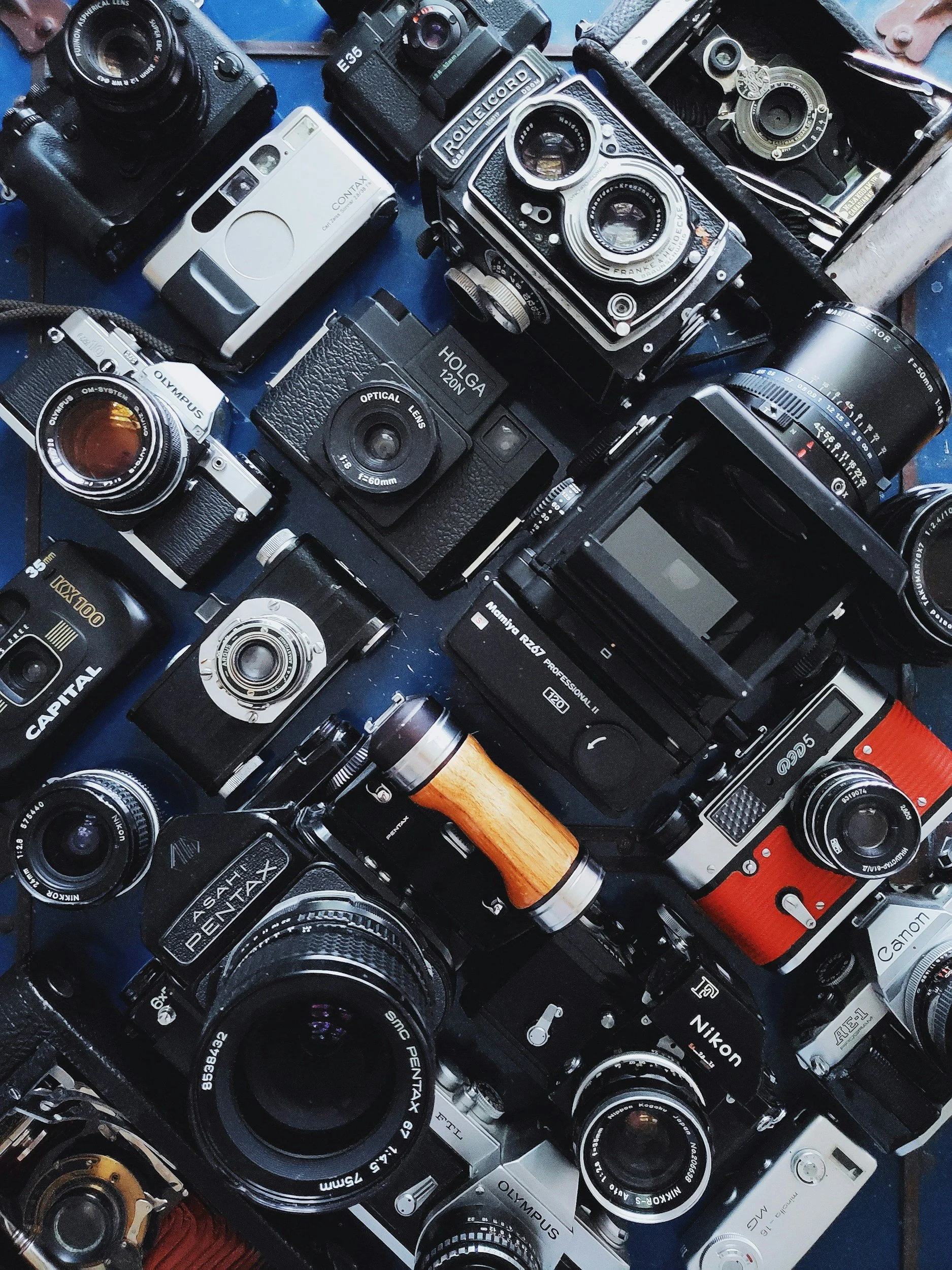
Why GAS is attractive.
It gives you Instant gratification. But often, once the instant gratification goes away, the long term gratification can’t match it. Not even close. Which leads to shame and regrets.
In truth, it’s a perceived shortcut: New tools promise what seem to be easier solutions to difficult problems. But they don’t. It’s mastery of the tools that matter. You will not be a great violinist just because you own a Stradivarius. You have to know how to play the thing.
Often, GAS is about status and social signaling, or about FOMO, fear of missing out: Marketing and peer enthusiasm create pressure to keep up. And obsessive viewing of online videos about gear feeds into this.
The dangers of GAS:
Decision fatigue: More options and more equipment complicate choices and slow action. You spend more time obsessing about the gear than you do about your actual work with it. It can actually be a kind of professional procrastination.
It’s easier to blame the gear than to confront skill gaps.
Opportunity cost: Money and time spent on gear could have been invested in lessons, coaching, practice, or experiences that produce deeper improvements.
Skill stagnation: Relying on equipment as a fix prevents the hard work of developing fundamentals.
Perfectionism and procrastination: Waiting for the “right” tool becomes an excuse.
Identity and self-worth can start to hinge on owning the latest items, making satisfaction fleeting.
Comparison trap: Measuring progress by comparison to others’ gear narrows focus away from personal growth and original work. You will only thrive when you do not compare and compete.
How to recognize GAS in yourself:
Ask yourself how often you buy often without a concrete plan for use.
Ask yourself if your purchases are driven by specs, online hype, or status rather than actual needs. For example, when I was in full GAS mode, I was obsessing about a Hassy X2D2 102 MP camera. All the cool kids had it. But WTF did I need 102MP for as a headshot photographer. It was about keeping up with all my commercial photographer friends, and then sharing photos of it online. My 60+ MP cameras were MORE than enough juice.
Ask yourself is your new gear rarely used. Or not used enough. If you sit and gaze at it more than you actually use it. Utility really does matter.
Most importantly, ask yourself if you feel regret, anxiety, or defensiveness after buying.
Strategies to cure your GAS:
Set clear goals: Define the outcomes you want (better photos) from each purchases. Buy based on goals, and real potential benefits to your practice, not based on how cool the camera or lens is. What is it’s real value? Ask whether a purchase enables something you can’t otherwise do, or if it’s a convenience that substitutes for effort.
Prioritize practice and learning: Budget money for lessons, coaching, or deliberate practice before buying upgrades. Put your skills first, and then, when they are at the level you want, the new equipment may help refine those skills a bit.
Use a wait rule: Implement a cooling-off period (30 days for expensive items, 7 days for smaller ones) before purchasing. That is hard. But walk away. Just for a minute.
Borrow, rent, or test the equipment first: Try gear from friends, rentals, or short-term rentals to confirm it changes your work or enjoyment. Take a test drive. Try before you buy. I remember in my GAS days buying a Leica Q343 because of all the hype, without even shooting it. It was great, except I hated the 43mm FIXED focal length and sold the thing at a loss a couple months later.
Create a “one in, one out” rule: When acquiring a new item, sell something you no longer use. Cover the cost so you can still cover your rent.
Actually track the usage or each item, and it’s ROI: Log how often you use major items and what they contribute to your goals. If you shoot portraits, and spend $9,000 for a Leica M that you use less in actual work than your Canon R5, maybe it’s not money well spend. Ask yourself how often you travel with a non-weather sealed camera, how much you’ll miss autofocus even though it’s a cool “experience” shooting with a rangefinder, and ask yourself if you really are a street photographer, or just want to carry around a status symbol that makes you feel like Henri Cartier-Bresson.
Limit exposure to triggers: Unsubscribe from marketing lists, avoid constant browsing, and set boundaries in communities prone to gear talk. And remember that all those Youtubers who post about gear have vested interests, or muddied interests.
Practice gratitude and reflection:
Regularly assess why you want more gear and whether it aligns with your deeper aims.
Gear is fun. Gear is cool. We all love it. Heck, my guitar playing friends collect guitars. But recognizing when you love for cameras has turned into a case of GAS, and applying simple checks, keeps focus on what actually moves you forward. And that is what you can do with your tools, not just getting more of them.
Hope that helps. - KEN
